
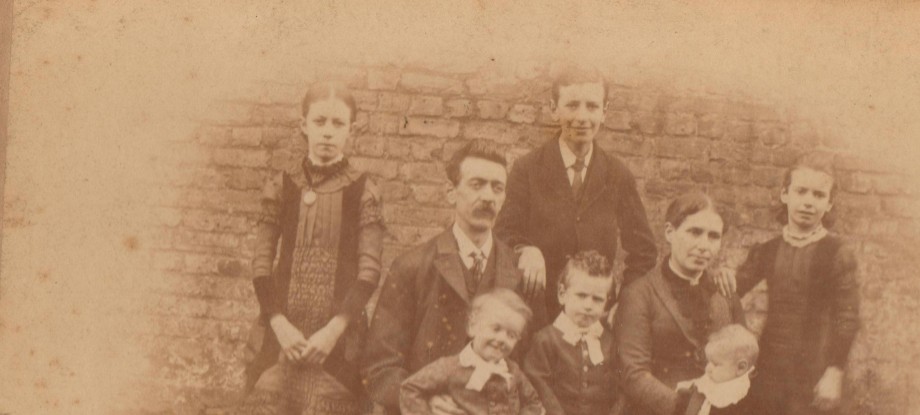
If you thought parking tickets were a relatively new invention, think again, the ever interesting Huddersfield Chronicle has turned up a story about John Arthur Liversedge, my great-great grandfather that would be familiar to many a tradesman today.
When my great-grandfather Alfred John Liversedge was born in 1854 his family lived in Huddersfield where his father, John Arthur Liversedge, was a tailor and woollen draper. By 1861 they had moved to neighbouring Halifax but by 1868 they were back in Huddersfield where his father’s main occupation was now carrier. Running out of their High Street home he acted as the agent for Sutton and Co, Carriers and Shippers, although for a short time he also continued trading as a woollen draper.
In July 1868 he found himself in front of The Bench charged with street obstruction. The charge being that he had permitted a cart to remain in the street a longer time than was necessary. He stated that “I admit the fact, but I deny the inference.”
Three members of the constabulary gave evidence; Mr. Superintendent Withers stated that:
“complaints had been made about
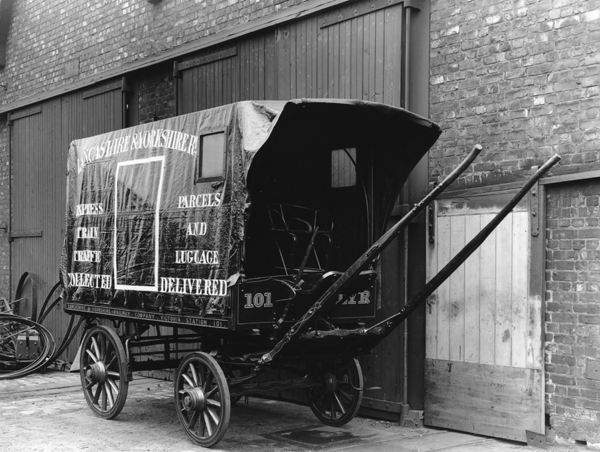
Horse drawn lurrie
carts and lurries[1] being allowed to stand in High-street on both sides, blocking up the windows of persons residing there, and causing an obstruction. The parties had been twice cautioned, but still persisted in saying he had a right to put the cart there as it was outside his own door”.
Police-constable Wilson stated that, “on Friday, he watched the cart from twenty minutes to twelve until twelve o’clock. The defendant said he had a right to let his cart stand near his own door”. The officer continued to watch the cart until two o’clock.
Inspector Townend said he had cautioned the defendant, and that the cart was an obstruction. In defence Liversedge said “It was a light spring cart, and until lately had been a hand cart. He had had no
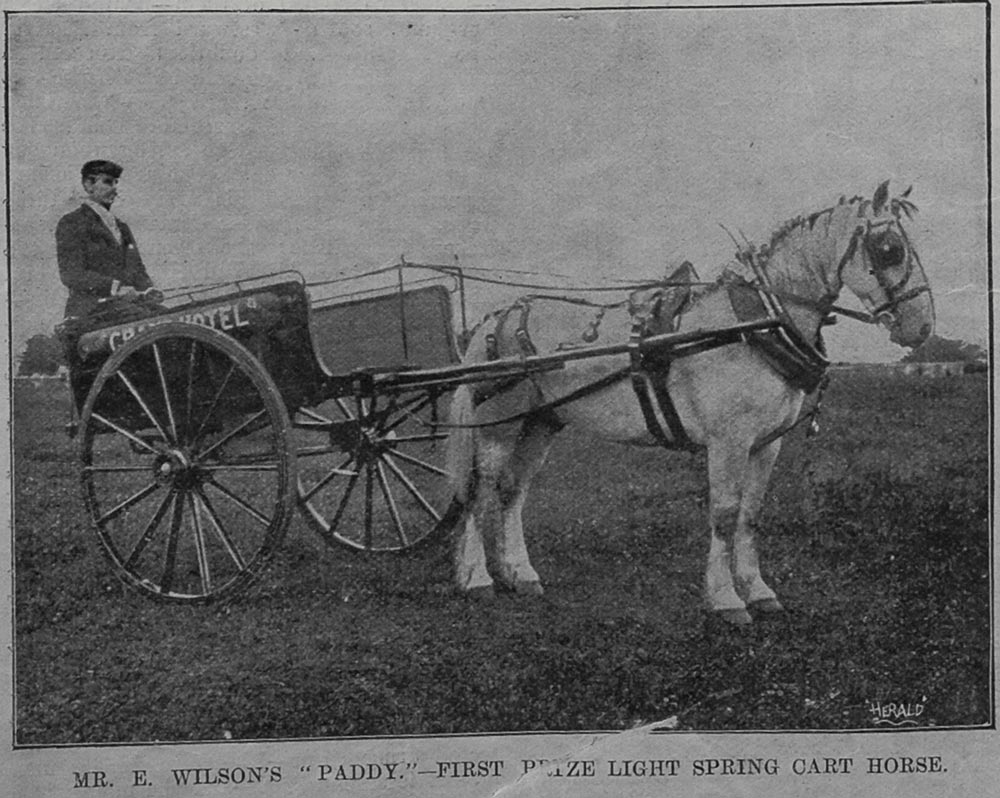
A light spring cart
complaints from any party. He had left the cart in no place except before his own windows. He was obliged to have the cart in readiness to receive and distribute parcels. The street was 15 yards wide, and the conveyance was not four feet wide”. – Inspector Townend stated that there were nine or ten lurries in the street when he cautioned Liversedge; and all the parties claimed a right, as well as the defendant, to leave their carts in the street. – The Bench dismissed the case on payment of expenses.
There does not seem to have been a repeated of the offence so perhaps having made an example of my great-great grandfather the traffic in High Street was not further obstructed.
Sutton Carriers themselves have an interesting future being established by William Richard Sutton (1833-1900) in 1861. He noted that the Royal Mail could carry letters from door to door, but they did not carry parcels; instead the sender had to arrange for delivery to a railway station, goods freight to a station near the destination, and then make separate arrangements for delivery to the final destination. Sutton Carriers would take care of all those stages. The railway companies obstructed this and Sutton took them to court with a case that lasted over seven years; eventually the House of Lords ruled to break the railway companies’ monopoly on pricing and allowed him to deliver packages door-to-door. At his death in 1900 his business had grown to 600 branches. He left almost all of his considerable wealth to create philanthropic trusts for housing of the poor leading to The Sutton Model Dwellings Trust (now known as Affinity Sutton) which continues to provide housing today.
[1] 1855 Mrs. Gaskell North & South, Great loaded lurries blocked up the not over-wide thoroughfares.
5 Responses to Great-great grandpa gets a parking ticket