
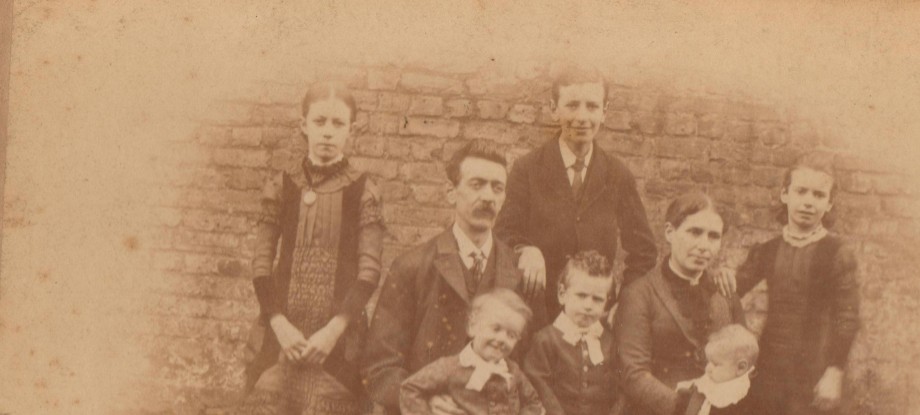
‘Family history worth its salt asks big questions about economic forces, political decisions, local government, urban history, social policy, as well as the character of individuals and the fate of their families.’ So says Alison Light and her book certainly does that. In fact it is easy to lose track of her ancestors as she covers five generations of them, including aunts and cousins, and become absorbed instead in the social history. The issues around poorly paid, unskilled insecure casual labour are depressingly familiar to us today – they have re-emerged after some atypical decades of job security and good wages. Society still has no answers and neither does this book.
On the details of her ancestors, many of us face the same problems – family tales and only basic Birth, Marriage and Death and Census information. Occasionally she uncovers pockets of more detailed

Recently published
information from Chapel records and asylum and workhouse entries for those unfortunates who became insane or destitute. She has used her findings to the full by exploring her ancestors’ housing and the towns and villages they lived in, as well as their occupations and working conditions. It is as much a history of the Victorian working class as a family memoir and a bleak picture of the suffering of itinerant working class people from orphans to unmarried mothers, deserted wives, insecure jobs and the poverty that ensues.
Her sense of injustice at the hardship and misery of it all is clear. She is indignant at indifference and callous treatment metered out by officialdom in all its guises and seems to take a Marxist view of the consolations of religious faith. Portsmouth and its districts suffered exceptional adversity due to it being a naval base and commercial port. Her musings on her motives and responses to her findings might enlighten some of us about our own.
Margaret
2 Responses to Ordinary lives – made interesting