
In a month where we celebrate mothers and women, celebrating a holiday called “Baba Marta” or, literally translated, “Grandma March”, seems appropriate to write about. This is a much-loved Bulgarian custom, truly unique in the world as Bulgaria is the only country to celebrate this holiday.
In Bulgarian folklore, “Baba Marta” is the name of a mythical figure who is said to bring about the end of winter and the onset of spring. Deemed to be a grumpy old woman, Baba Marta changes her moods as rapidly as the changing March weather so that when the weather is sunny and warm, Baba Marta is smiling and happy, but when the weather is cold Baba Marta is angry and more snow and a longer winter can be expected. Bulgarians pay tribute to her every year on March 1 by tying “Martenitze”, twined red and white threads made from cotton, wool or silk, to their clothing or around their wrists. Friends and family exchange the martenitze and wear them as a reminder of the impending change of season.
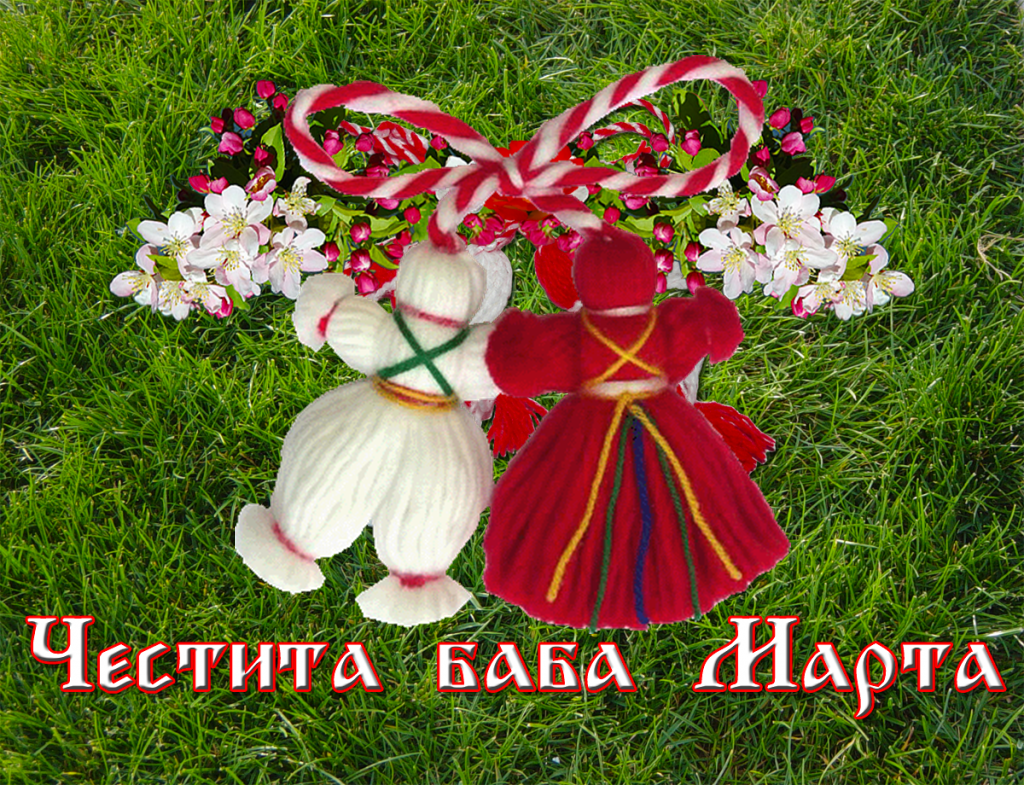
Red & White Martenitze, worn as a tradition for “Baba Marta”, a traditional Bulgarian holiday
Within Bulgaria, one can often see both children and adults exchanging and collecting martenitze on March 1st, pinning them to their coats or donning as many bracelets onto their wrists as possible. Outside of Bulgaria, one can easily recognise a Bulgarian during this month as they will most likely be wearing a martenitza, a tradition unique to Bulgarian culture.
The “red” and “white” colours from which the martenitza is made carry a variety of theories regarding their significance. The colour “red” is often associated with “health, blood and fertility” whereas the “white” can mean “newness, happiness, purity and strength”. When put together, these two colours come to signify “rebirth, newborn, a change of the seasons, new life and a new beginning”.
The historically Pagan ritual and one of the oldest traditions which still exist in Christian Europe today, is essentially a celebration of life and survival. The act of wearing a martinitza is akin to wearing an amulet against evil forces and thus a magical ritual act protecting its bearer. It is thought that when somebody gives you a Martenitsa they are bestowing upon you all the best wishes for good health (“red”) and wisdom (“white”) in the new year ahead.
According to tradition, the martenitza is worn until the person wearing it sees the first sign of spring, often a stork but sometimes a fruit tree in blossom. At this point, the martenitza is removed and hung onto a branch of the first budding tree which its wearer sees, bringing about good luck, health and prosperity.
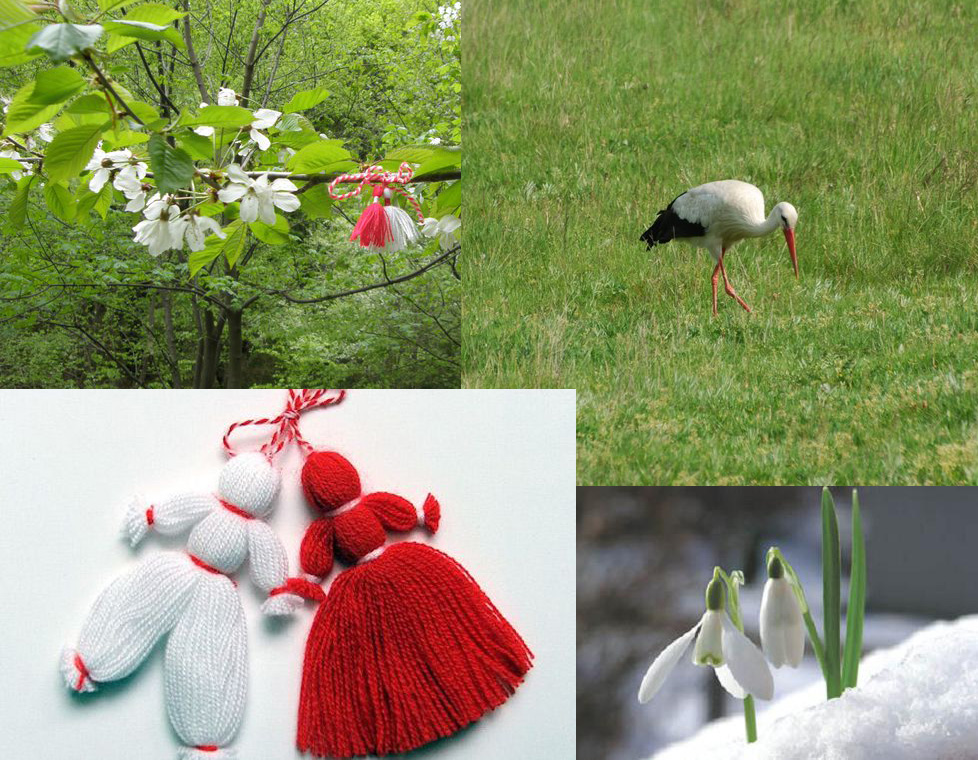
Bulgarian Traditions of Spring
Kristina
2 Responses to Traditions of Spring – “Chestita (Happy) Baba Marta!”